
Virtual Reality and E-Commerce: Discover the Right Adobe Commerce Agency for Your Needs
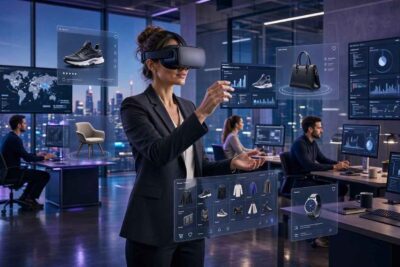 Virtual reality (VR) is changing how people explore products, interact with brands, and make purchasing decisions online. Instead of simply viewing product images, customers can enter virtual environments, explore digital showrooms, and experience products in more engaging ways. This technology creates new opportunities for businesses that want to improve their online shopping experience.
As virtual reality becomes more relevant to e-commerce, businesses need platforms that can support innovative shopping features. Adobe Commerce offers flexible tools for building online stores, managing products, and connecting different technologies. Its customizable architecture makes it a potential foundation for businesses interested in immersive shopping experiences.
However, developing an advanced online store requires more than choosing the right platform. Businesses also need experienced developers who understand their goals and technical requirements. Taking the time to discover the right Adobe Commerce agency for your needs can help ensure that your e-commerce project supports your business objectives.
Whether you want to introduce virtual showrooms, improve your existing website, or prepare for future digital innovations, working with a suitable agency can make the development process more manageable.
How Virtual Reality Is Transforming Online Shopping
Traditional online shopping relies heavily on photographs, videos, product descriptions, and customer reviews. Although these resources provide useful information, they cannot always communicate how a product looks or feels in a real environment.
Virtual reality offers another way to explore products. With a compatible headset, customers can enter a simulated environment where they can examine digital representations of products and interact with virtual spaces.
For example, furniture retailers can create virtual rooms where shoppers explore different furniture arrangements. Fashion brands can develop immersive digital stores that allow customers to browse collections in a virtual setting. Automotive businesses can offer virtual vehicle tours, helping customers explore interiors and design features without visiting a showroom.
These experiences can make online shopping more informative and engaging. Customers may gain a better understanding of product appearance, size, and design before making a purchase.
Virtual reality can also help businesses reach customers who cannot visit physical stores. A customer living in another city or country could explore a virtual showroom without travelling. This provides businesses with another way to present their products to a wider audience.
However, implementing virtual reality requires careful planning. Businesses must consider device compatibility, website performance, accessibility, and the quality of their digital product models.
Not every customer owns a VR headset, so companies should also provide traditional shopping options. A successful online store should remain convenient for everyone, regardless of the technology they use.
This is where an experienced Adobe Commerce agency can provide valuable guidance. Developers can assess whether virtual reality is appropriate for the business and identify practical ways to connect immersive experiences with existing e-commerce systems.
Why Choosing the Right Adobe Commerce Agency Matters
Adobe Commerce is designed to support businesses with different online selling requirements. It provides tools for product management, customer experiences, and commerce operations.
Its headless architecture and APIs can also support customized customer-facing experiences. This flexibility is useful when businesses want to connect their commerce systems with technologies such as virtual reality. However, VR functionality generally requires additional development or integration rather than being available as a standard built-in feature.
An Adobe Commerce agency helps businesses plan, develop, customize, and maintain their online stores. Depending on the project, an agency may handle website design, system integration, platform migration, performance improvements, and technical support.
Choosing the right agency begins with understanding your business requirements. A small retailer planning a website redesign may need different services from an international company developing an immersive shopping platform.
Experience is another important consideration. Businesses should review an agency’s previous projects and determine whether its developers have worked on similar e-commerce challenges.
For virtual reality projects, it is useful to ask whether the agency has experience with 3D product visualization, immersive interfaces, and integration with external applications.
An agency does not necessarily need to develop every VR feature internally. However, it should understand how the proposed technology will connect with the online store and who will be responsible for each part of the project.
Communication is equally important. A suitable agency should explain technical requirements in understandable terms, provide realistic timelines, and discuss potential challenges before development begins.
Businesses should also consider long-term maintenance. E-commerce websites require ongoing updates, security improvements, and performance monitoring. New technologies may introduce additional maintenance requirements.
Adobe provides an official Solution Partner Directory where businesses can explore agencies based on their expertise, location, industry, and Adobe applications. The directory also provides information about partner certifications and specializations, which can help businesses evaluate potential providers.
While certifications can demonstrate technical knowledge, they should not replace a detailed review of an agency’s actual experience and ability to meet your requirements.
Building a Future-Ready E-Commerce Experience With Virtual Reality
Businesses interested in virtual reality should begin by identifying the problems they want to solve. Introducing advanced technology without a clear purpose can increase development costs without improving the customer experience.
For example, a home improvement retailer might want to help customers visualize furniture arrangements. A property developer might need virtual tours of residential units. A fashion retailer could focus on creating an interactive digital showroom.
Each business has different needs, so the development approach should reflect its products, customers, and available resources.
A reliable Adobe Commerce agency can help evaluate these ideas and recommend a practical development strategy. This may involve building a small demonstration before investing in a complete virtual shopping environment.
Starting with a limited project allows businesses to collect feedback and understand how customers respond to immersive features.
Website performance should remain a priority throughout development. High-quality 3D models and interactive environments can require significant processing power and data. Developers must consider loading times and ensure that the regular shopping experience remains accessible.
Mobile compatibility also deserves attention. Many customers browse online stores using smartphones, so businesses should avoid creating experiences that only work on expensive equipment.
Some projects may benefit more from augmented reality (AR) than full virtual reality. AR places digital objects within a view of the real world, while VR creates a simulated environment. Understanding this distinction helps businesses choose the technology that best serves their customers.
Security, payment processing, and customer information must also remain protected. Even when a store introduces virtual experiences, customers still expect a reliable checkout process.
Before selecting an agency, businesses should request a clear proposal that explains the project’s scope, development stages, costs, and ongoing support arrangements.
It is also helpful to establish measurable goals. These could include customer engagement, product interaction, completed purchases, or customer satisfaction. Monitoring these results can help determine whether the investment provides meaningful value.
The relationship between virtual reality and e-commerce will continue to create opportunities for businesses willing to explore new approaches. However, successful digital experiences depend on thoughtful planning rather than technology alone.
Adobe Commerce can provide a flexible commerce foundation, while an experienced development agency can help connect that foundation with suitable customer-facing technologies.
Ultimately, the goal is not simply to build an impressive virtual store. It is to create a shopping experience that customers find useful, accessible, and convenient.
By understanding your business requirements, reviewing technical expertise, and comparing potential development partners, you can discover the right Adobe Commerce agency for your needs and prepare your online business for future digital opportunities.


